October 04, 2026
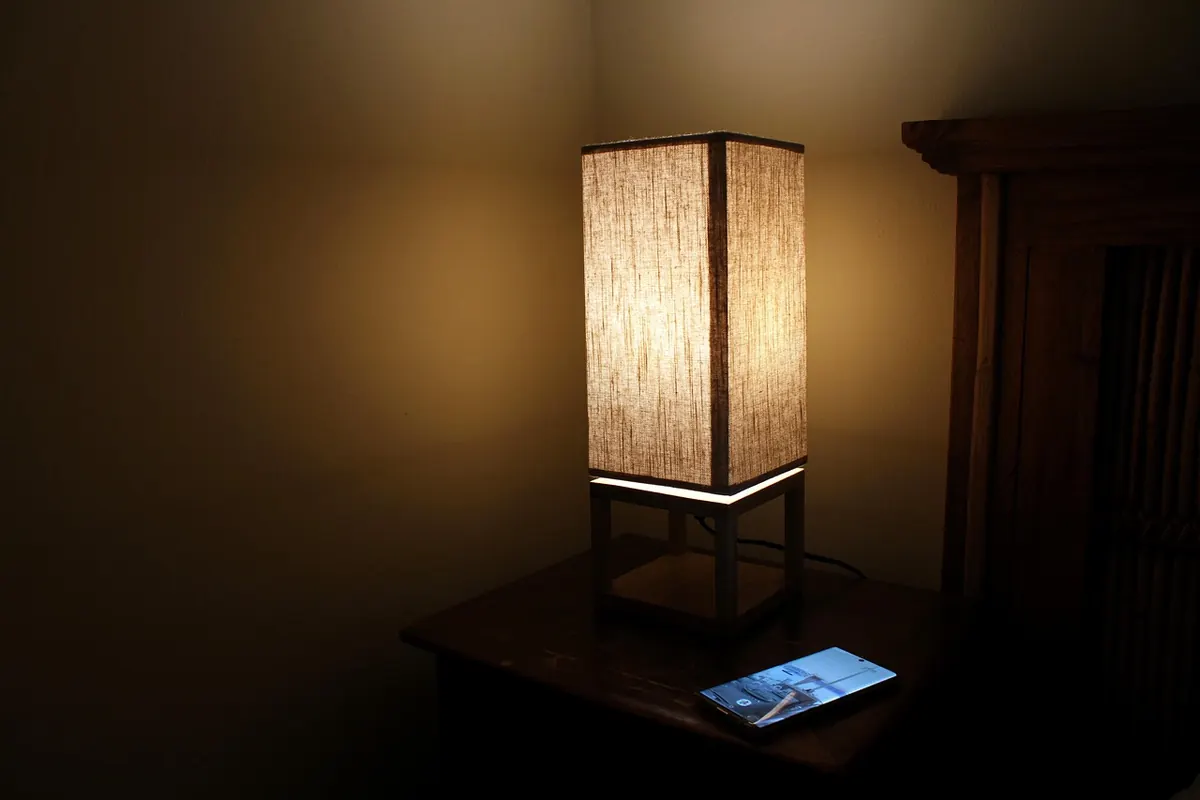
The phone is on the nightstand, face down. You promised yourself you would get up, make coffee, and leave it there until breakfast. You lasted about four minutes.
That is not a character flaw. It is design. Every app on that screen was built by people whose job is to make reaching for it automatic, and they are very good at their jobs. Willpower loses that fight most days, which is why the answer is not more willpower.
A digital sabbath changes the terms. One day a week, roughly twenty-four hours, you step outside the reach of the network entirely. Not as a punishment or a cleanse, but as a rhythm — a fixed appointment with a different way of spending time. The practice borrows from monastic life, where the hours are deliberately shaped rather than left open to whatever arrives.
What Monastic Rhythms Get Right
Monastic communities have run on a schedule for centuries: work, prayer, meals, reading, sleep, all at set times. The old phrase is ora et labora — prayer and work — but the phrase leaves out the third element, which is that neither one runs all day. A bell rings, and everything changes.
That bell is the whole idea. Monks were never trying to prove that work is bad or that rest is lazy. They were building a container so that each part of life got its proper share, and so that no single appetite could quietly swallow the rest. Screens are an appetite in exactly that sense. They are always available, always interesting enough, and never finished.
A sabbath is your bell. It does not require silence, religion, or a cabin. It requires a start time, an end time, and a decision made in advance.
Pick Your 24 Hours — and Prepare the Day Before
Choose a window that fits your actual life, not an idealized one. Popular options include Saturday at 6 p.m. through Sunday at 6 p.m., Sunday morning through Monday morning, or Friday sunset to Saturday sunset. If you work weekends, use Tuesday. The day matters far less than the consistency; a rhythm you keep beats a better rhythm you abandon.
Once you have the window, write it on the calendar like a dentist appointment. Then spend thirty minutes the day before getting ready. Preparation is what separates a sabbath from a random day of guilty scrolling avoidance.
- Set an auto-reply. A short message — "Offline until Sunday evening, back to you then" — handles most of the anxiety about going quiet.
- Tell three people. Your partner, a friend, and one colleague who might need you. Naming it out loud makes it real and prevents accidental panic.
- Solve the alarm problem. If your phone is your alarm clock, buy a cheap standalone one, or dig out the old one from the drawer. This single fix removes the most common excuse.
- Handle logistics early. Print the directions, note the restaurant address on paper, check the weather, charge the bike lights. Every task you would normally Google is a trapdoor back into the feed.
- Put the device somewhere inconvenient. A drawer, a locked box, the glove compartment, a friend's house. Distance beats discipline.
- Plan the food. Decide what you are eating and when you are shopping for it, so Saturday evening isn't spent ordering through an app.
Draw the Line Clearly
Vague rules collapse. Before your first sabbath, decide where the boundary sits. A simple test: is this a tool or a toy? A paper map is a tool. A maps app on a phone is a tool attached to a casino. If the device can reach the internet, treat it as out of bounds.
Common gray areas and reasonable calls: a camera that happens to be a phone stays home — borrow a real camera or accept fewer photos. An e-reader without a browser is usually fine, and a paper book is better. Music is fine if it isn't streaming through an app that will show you notifications. Phone calls to family are fine; texts that turn into a group chat are not.
Write your three or four rules on an index card and stick it to the fridge. Deciding in the moment is how sabbaths quietly dissolve by 9 p.m.
Fill the Hours on Purpose
The first hour is wonderful. The third hour can be strange, because you have removed the thing you normally use to avoid being alone with your own thoughts. So give the day a loose shape instead of leaving it empty.
- Morning: something slow and physical. A long walk, stretching, cooking an actual breakfast, sitting with coffee on the porch.
- Midday: something that requires hands or attention. Baking bread, gardening, a repair you have been putting off, an instrument, a board game, a long lunch with someone you like.
- Afternoon: something restorative and unstructured. A nap, a paper book, a bath, a bike ride with no destination, a visit to a place of worship if that is part of your life.
- Evening: something connecting. Write a letter by hand, cook with someone, sit outside and watch the light change.
The day does not need to be productive. It needs to belong to you.
Expect the Itch — and Plan Around It
Your hand will reach for a phone that isn't there. This happens dozens of times in the first few hours and it feels faintly embarrassing. Notice it, name it, and go back to what you were doing. The reflex fades faster than you expect.
A few practical adjustments help. If you live with others, invite them in — a household sabbath is easier than a solo one, and it gives everyone a shared excuse to decline invitations. If someone else in the house stays online, agree on a room or a time slot that stays screen-free rather than trying to convert anyone.
For genuine work emergencies, name one person who can reach you by phone and tell them the window. Most "urgent" messages can wait until Monday; the few that cannot usually involve a call, not a notification.
One caution worth stating plainly: if you rely on your phone for medical monitoring, crisis support, or caregiving coordination, adapt the practice rather than cutting the line. Speak with a clinician or a trusted professional about what is safe for your situation before removing a tool you genuinely need.
Coming Back Without Losing the Day
Re-entry matters as much as the sabbath itself. Do not grab the phone the second the clock turns over and scroll until midnight. Wait until the next morning.
Then check in a deliberate order: messages from actual humans first, email second, feeds last — or never. You will find that the vast majority of what accumulated was addressed to everyone and no one. Noticing how little you missed is one of the more useful outcomes of the experiment.
Start Smaller Than You Think
If twenty-four hours sounds impossible, start with six. Sunday from noon to six, or a weekday evening from dinner to bedtime. Then extend it once the shorter version feels normal rather than heroic. The goal is not a perfect day of rest; it is a weekly rhythm you can keep for years.
Try it for four weeks before you judge it. The first one will feel restless, the second will feel long, and somewhere in the third or fourth you will notice the thing you were actually looking for: a stretch of time that is not being measured, optimized, or interrupted.
Photo: F1Digitals / Pixabay