October 11, 2026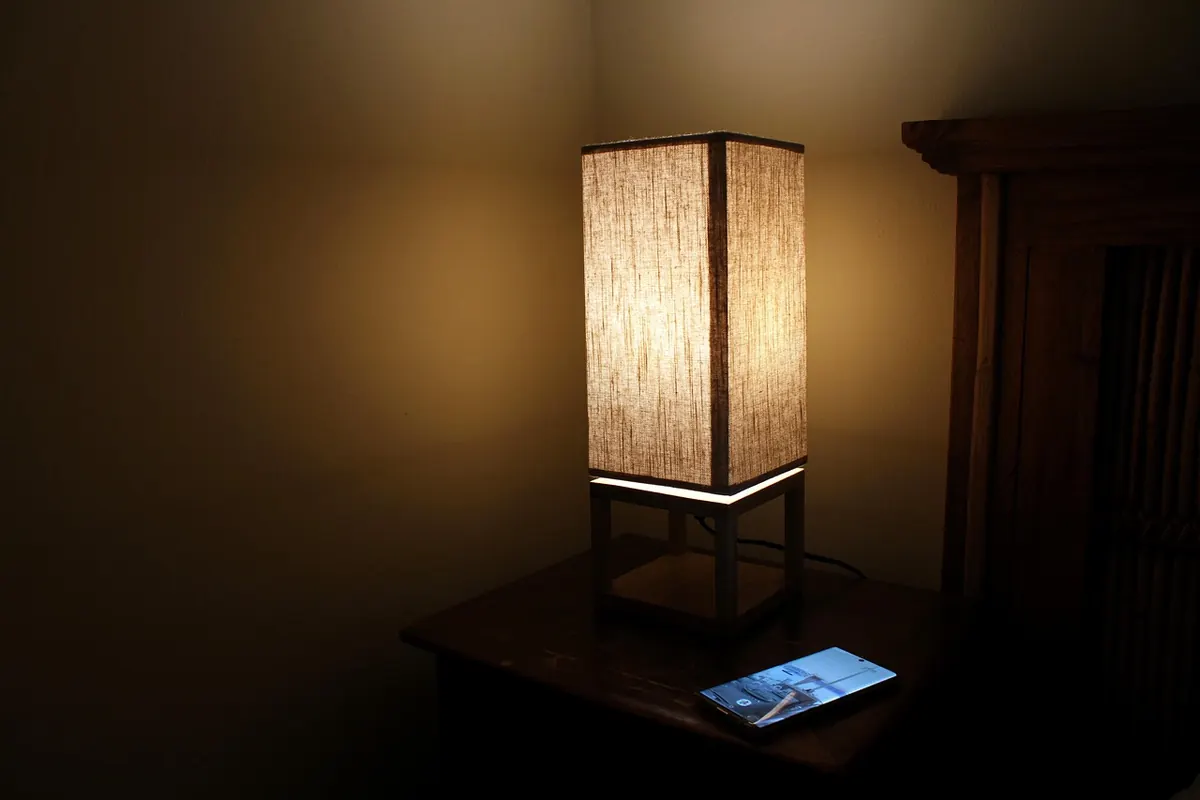
A good evening doesn't begin at ten o'clock. It begins when you decide the working day is over, and most of us never make that decision consciously. We drift from email to dinner to a screen to bed, then wonder why the mind keeps working once the lights are off.
A mindful evening routine isn't a spa sequence or a shelf of supplements. It's a short set of repeatable signals that tell your body and your attention that the day is closing. Done properly, it takes twenty to forty minutes, it survives busy weeks, and it makes tomorrow easier before tomorrow has started.
Give the Day a Landing Time
Pick a time when work ends. Not when the last message is answered, but a fixed point you can aim for: 6:30, 8:00, whenever your life actually allows. Write it somewhere visible. The purpose isn't rigidity; it's having a boundary you can notice yourself crossing.
When that time arrives, mark it with something small and physical:
- Close the loop. Jot down anything unfinished so it stops circling in your head.
- Change state. Swap your work clothes, wash your face, or step outside for two minutes of fresh air.
- Say it out loud. "That's it for today." It sounds silly until you notice how well it works.
The shift takes two minutes. The signal matters more than the ceremony.
The Evening Wind-Down Checklist
Treat this as a menu, not a contract. Most people keep five or six items, and the order matters far less than the repetition. Aim to finish the list thirty to sixty minutes before you want to be asleep.
- Dim the lights. Overheads off, lamps on. Bright light late in the evening tells your body it's still daytime.
- End stimulating input. News, arguments, work threads, and high-intensity games are better finished an hour before bed.
- Do one physical thing. Wash the dishes, walk around the block, stretch on the floor. Movement gives the day somewhere to go.
- Tidy one surface. Not the whole house. The kitchen table or your nightstand. One.
- Write the day down. Three lines: what happened, what mattered, what tomorrow holds.
- Set up tomorrow's first ten minutes. Clothes, bag, keys, coffee, and the first task on a sticky note.
- Handle the body's basics. Teeth, water, medication if it's prescribed, a shower if that settles you.
- Choose something low-demand. A paper book, an album, a quiet conversation, or a hobby that keeps your hands busy.
- Prepare the room. Cool, dark, quiet. If you can, charge your phone somewhere other than the bedroom.
Close the Day on Paper
Of everything on that list, this is the part people resist and then swear by. A busy mind at midnight is usually an unfinished mind, and unfinished things don't disappear when you ignore them. They wait.
Three lines, no more
Open a notebook and write one thing that happened, one thing that mattered, and one thing you'd like to carry into tomorrow. No analysis, no gratitude performance, no journaling for an audience. The point is to move the contents of your head onto paper so your head can stop holding them.
The parking lot
Keep a second page for tasks and worries that surface at night — the invoice you forgot, the awkward conversation, the thing you must remember before nine. Write it down, close the notebook, and tell yourself you'll deal with it in the morning. Sometimes you will. Even when you don't, the note has done its job by holding the thought so you don't have to.
Cool the Room, Dim the House
The physical setup does more of the work than most people expect, and it's the easiest part to control.
Light. Switch to lamps after dinner where you can. Bright overhead light in the late evening pushes your natural sleep window later, which makes the whole routine feel harder than it needs to.
Temperature. Most people sleep better in a cool room than a warm one. Lower the thermostat or crack a window half an hour before bed so the room has time to settle.
Sound and clutter. Earplugs, a fan, or a white-noise track won't fix a noisy street, but they help. So does clearing the pile on the chair you'll be looking at from bed.
Caffeine and alcohol. Caffeine's effects can outlast the alert feeling, so an afternoon coffee is really a decision about tonight. Alcohol often makes falling asleep easier and the second half of the night worse. Neither is a moral failing; both are worth knowing about.
If you regularly lie awake for long stretches, snore heavily, or wake unrefreshed no matter what you try, speak to a doctor. Persistent sleep trouble is a medical question rather than a discipline problem, and no checklist replaces proper advice.
When the Routine Falls Apart
Some nights you get home at eleven, the kitchen is a disaster, and a full routine is out of the question. Keep the smallest version instead: phone on the charger in another room, teeth brushed, one line in the notebook. That's it.
A routine should bend, not break. The nights you do the two-minute version are the ones that keep the habit alive. The nights you insist on the full version or nothing are the ones that end it.
Start With Three Nights a Week
Most people build a fifteen-step ritual on a Sunday and abandon it by Thursday. Do the opposite. Pick three evenings this week, choose three items from the checklist, and run them in the same order each time. Add a fourth only when the first three feel automatic.
Pay attention to what actually helps. For some people the walk is essential and the journal is filler. For others it's the reverse. Keep what earns its place, drop what doesn't, and don't let anyone else's ideal evening become your standard.
The evening you design doesn't need to be beautiful. It needs to be repeatable — a quiet, familiar sequence that closes the day, settles the mind, and hands you over to sleep without a fight.
Photo: ianvanderlinde / Pixabay