October 02, 2026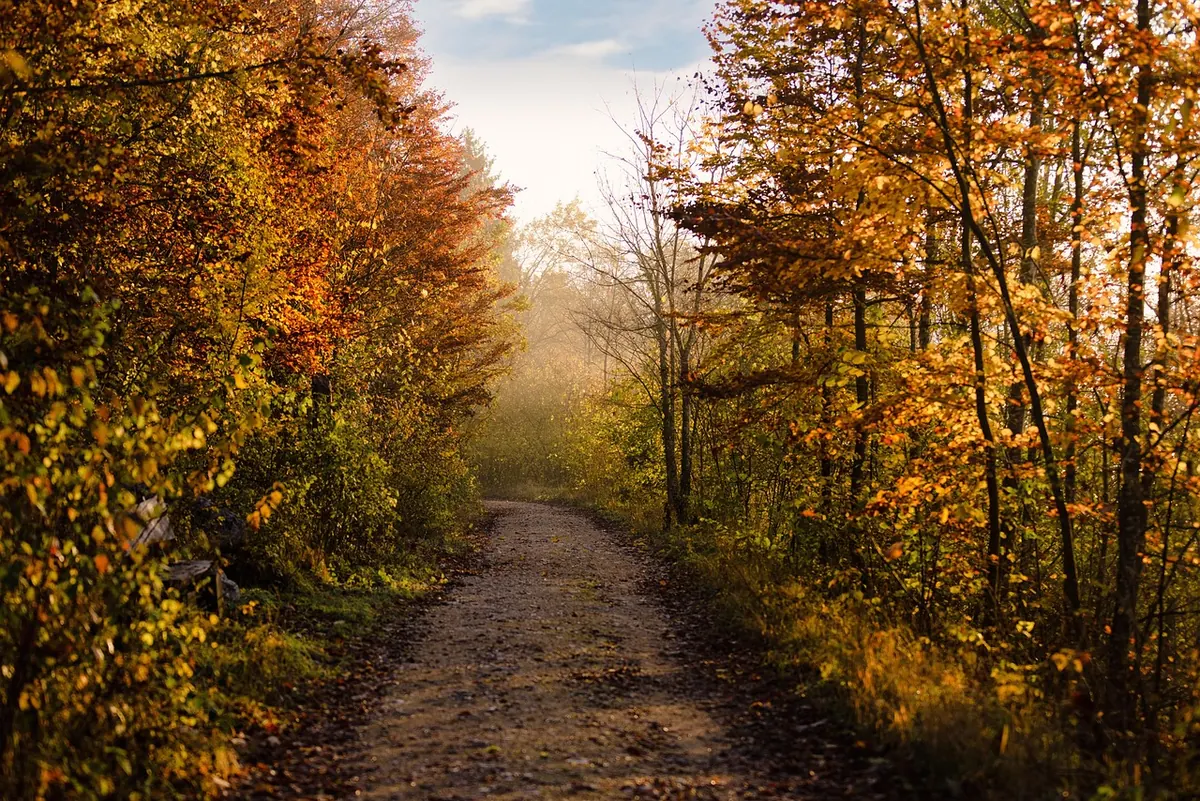
Autumn does part of the work for you. The light thins, mornings arrive later, and the air picks up that first cold note that makes you want soup and a sweater. Long before you decide to slow down, your body has already started.
But a season can't practice for you. What autumn offers is a set of conditions, shorter days, cooler evenings, visible change, that make attention easier to hold. The eight practices below are built around those conditions. None takes more than twenty minutes, and most take five. Choose one and let it settle for a week before you add another.
Leaf-Gazing: Ten Minutes of Doing Nothing Well
Go outside and find a tree that is mid-turn, one where some leaves have changed and some haven't. Stand under it. Pick a single leaf and watch it, not the tree, not the street, one leaf. Notice the stem, the ridges of the veins, the patch of green still holding on at the edge.
Your attention will wander to your grocery list, to a conversation from Tuesday, to the phone in your pocket. Bring it back to the leaf. That return is the practice, not a sign you're doing it wrong.
If you have a bench nearby, sit for ten minutes and watch leaves fall instead. Falling leaves give your eyes something to follow, which quiets the part of the mind that wants to be busy. Try the same tree at the same time for a week. Familiarity is where this gets interesting.
Make One Cup of Tea the End of Your Day
Evening tea works because it is small, repeatable, and requires almost nothing of you. Pick a time, say 9 p.m., and a cup you actually like. Use the good one. Nothing in the cupboard needs saving for guests. Choose something without caffeine if you're sensitive to it, and keep the ritual screen-free.
The warmth of the cup is doing quiet work: hands on ceramic, the smell of steam, the first sip that is slightly too hot. Three anchors in thirty seconds, no app required.
How to keep it from becoming a chore
- Keep everything within arm's reach of one chair: kettle, cup, tea, a small towel. Friction kills rituals.
- Don't turn it into a streak. No app, no tally, no "day 47 of tea."
- If you miss a night, miss it. The ritual belongs to you, not the other way around.
A Reflective Letting-Go Practice
Autumn's lesson isn't loss. It's release as a strategy. Trees drop what they can't maintain through winter, and they come back stronger for it in spring. You can borrow the idea once, maybe twice, before the season ends.
- Set a timer for fifteen minutes. Use pen and paper, not a phone.
- Write one line for each thing you're still carrying that has already finished: a project you keep half-alive, a grudge from August, a version of yourself you've outgrown.
- Read the list out loud, quietly if you're not alone.
- Circle anything you can act on this week. A call, an apology, a cancellation. Do that thing.
- For what's left, write beside it: I set this down until spring. Then fold the paper and put it somewhere out of the way.
The paper isn't magic. It simply gives a looping thought a boundary and a date. If what surfaces is grief, or something that keeps you awake night after night, that deserves a conversation with a professional rather than a notebook.
Walk Slower Than You Think You Should
An autumn walk has a different assignment than a summer walk. You're not covering ground or chasing a step count. You're under-stimulating yourself on purpose, which is harder than it sounds.
Take a route you know and cut your pace by about a third, to the speed where you can hear your own footsteps and the leaves under them. Leave the podcast at home and keep the phone in your pocket. When you reach the corner where you'd normally turn back, go one more block. Then check in: what can you smell? Woodsmoke, wet leaves, someone's dinner through an open window. Where does the air feel different on your face when you walk into shade?
Fifteen minutes is plenty. The mild awkwardness of walking that slowly is the practice working.
Cook Something That Takes Longer Than It Needs To
Pick one meal a week where the cooking is the practice, not the obstacle between you and eating. Squash, apples, root vegetables, beans, broths, whatever your market is pushing in October. Chop by hand. Let the onions take their time. Listen to the sound of the pan changing as the moisture cooks off.
Then sit down and eat the first five bites without a screen. That's the whole instruction. Five bites is enough to notice that a meal you made slowly tastes different from one you ate standing up.
Tend Your Light, and Go to Bed a Little Earlier
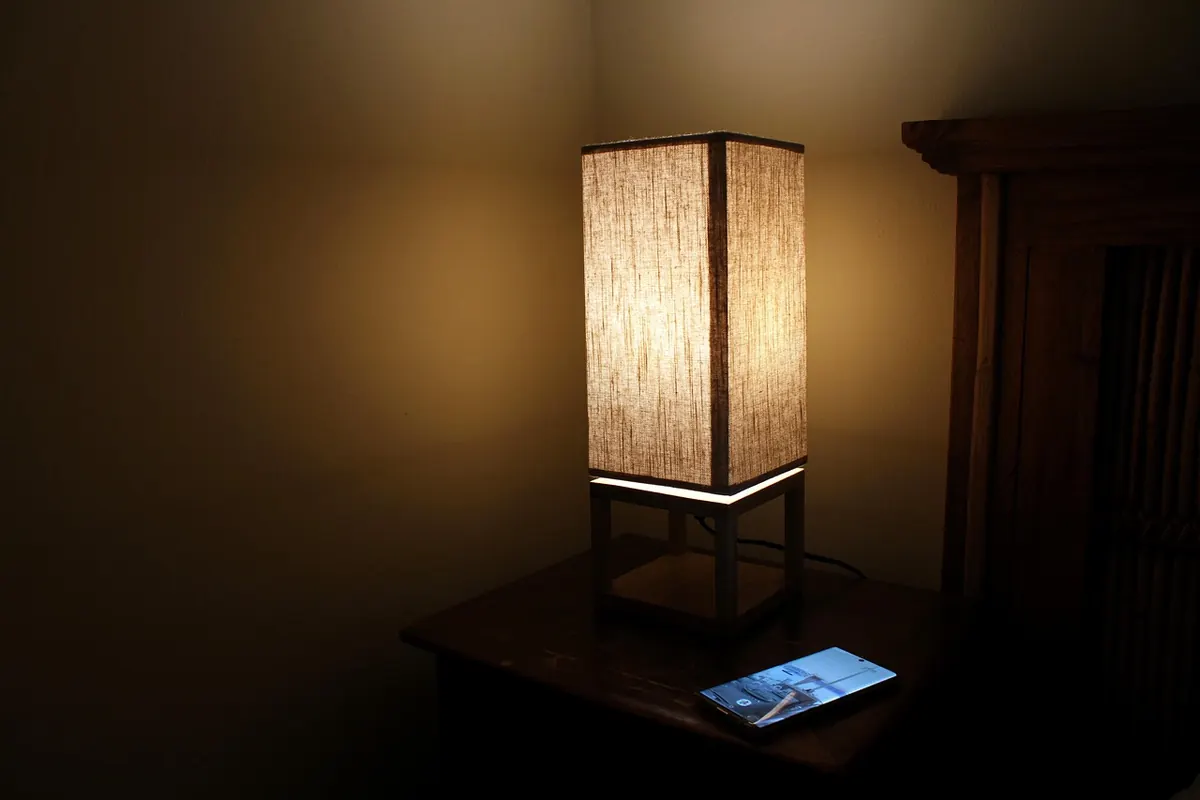
As daylight shortens, indoor light becomes your main cue system. A few small adjustments help: switch on lamps before it gets fully dark rather than waiting for one bright overhead light, favour warm bulbs in the rooms where you unwind, and dim or turn off the overheads an hour before bed.
Then try moving bedtime earlier by twenty minutes while keeping your wake time steady. Keep the room cool and dark, and leave the phone charging outside the bedroom if you can manage it. If you have a sleep condition or take medication that affects sleep, talk to your doctor or pharmacist before changing your routine.
Keep a Small Seasonal Notebook
Not a journal. No prompts, no pages to fill. Three lines in the evening, under two minutes:
- One thing you noticed outside. The maple by the bus stop turned red overnight.
- One thing you did slowly.
- One thing you're done with.
Keep the notebook where you'd otherwise reach for your phone, next to the kettle or on the arm of the sofa. By December you'll have a record of the season and, more usefully, evidence that you were paying attention to it.
Start With One
Don't do all eight. Choose the one that made you exhale when you read it, most likely the tea or the walk, and do it daily for a week. When it stops feeling like an appointment, add a second. A season runs about ninety days, which is enough time for two practices to become habits rather than plans.
Autumn will end on schedule whether or not you noticed it. These are simply ways of being in the room while it happens.
Photo: marcelkessler / Pixabay