September 15, 2026
The first ten minutes of the day usually happen to you. A hand finds the phone, a headline lands, and by the time your feet hit the floor you're already answering to other people's priorities. A morning ritual doesn't need an hour of journaling or a cold shower to fix that. Ten minutes, arranged with a little care, is enough to set the tone for the hours that follow.
Here's a version you can do sitting on the edge of the bed, before coffee, before email, before the news.
Why Ten Minutes Is Enough
Long routines are fragile. They survive a quiet Tuesday and collapse on the first morning you oversleep. Ten minutes survives a late night, a sick child, a 6 a.m. flight, and a hotel room with bad curtains.
The length isn't the point. The pause is. Almost everything you do in the first hour of the day is reactive: notifications, requests, the mood of whoever texted you at 6:40. A short ritual creates a gap between waking and reacting, and in that gap you get to decide what the day is about.
Three things happen in those ten minutes. Your body settles, your attention turns toward what's already good, and you name one thing that matters. Breath, gratitude, priority. That's the whole structure.
The Ritual at a Glance
- Settle (1 minute) — sit up, feet on the floor, no screen.
- Breathe (3 minutes) — slow, steady, longer exhales.
- Gratitude (3 minutes) — three specific things.
- Priority (3 minutes) — one sentence about what matters most today.
No mat, no app, no special equipment. A notebook helps, but a scrap of paper or the back of an envelope works just as well.
Minutes One to Four: Let the Body Land
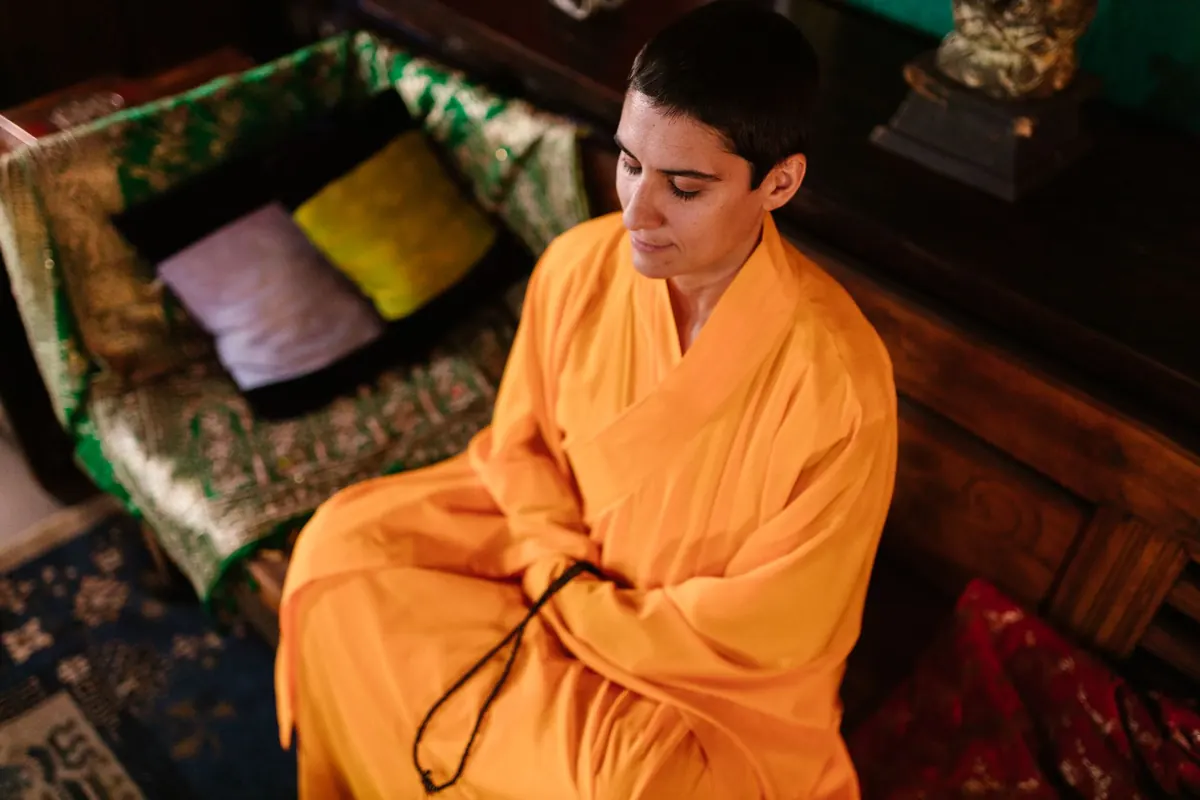
Sit somewhere stable — the edge of the bed, a chair, the floor with your back against the wall. Feet flat. Spine upright without being stiff. Let your hands rest wherever they're comfortable, though one on the chest and one on the belly is a useful default, because you can feel the breath instead of managing it.
Then slow things down. Inhale through the nose for about four counts, exhale for about six. The exhale is the part that matters, so if counting makes you tense, skip the numbers and simply make each exhale a little longer than the inhale. Ten breaths like this will take you most of the way through three minutes.
Your mind will wander. It always does. Noticing that you've drifted and returning to the breath is the practice, not a failure of it.
A sensible note: if breathwork makes you dizzy, or you live with a heart or respiratory condition, keep it gentle and check with a doctor before making it a daily habit.
Gratitude Without the Greeting-Card Tone
"I'm grateful for my family and my health" is a sentence you can write without thinking, which is exactly why it does so little. Specificity is what makes gratitude land.
- The first sip of coffee was still hot when you drank it.
- A colleague answered a question you'd been stuck on.
- The window was open and you could hear rain.
- Your knee didn't hurt on the stairs.
Three items, small and concrete. If you're stuck, try these prompts: one thing that went right yesterday, one person you're glad exists, one thing about today you're quietly looking forward to. Write them down if you can. Handwriting forces you to finish the thought.
Name One Priority, Not Five
This is the part that turns a pleasant pause into a useful one. Write a single sentence in this shape: verb + object + when.
"Draft the proposal introduction before my 11 a.m. call." "Call the dentist at lunch." "Walk for twenty minutes before I open my laptop." Each of those is a decision. "Work on the proposal" is a wish.
When everything feels urgent
Ask yourself three questions and take the first honest answer:
- What would make the rest of today easier if it were already done?
- What will I regret not doing by this evening?
- What have I been avoiding for three days?
One priority doesn't mean ignoring the rest. It means that when the day gets noisy, you have a clear thing to return to instead of ten competing ones. Priorities change, too. If something genuinely urgent arrives, rewrite the sentence and move on.
Then, and Only Then, Check Your Phone
Checking your phone first is like opening the front door and letting in whoever happens to be standing there. Sometimes that's fine. Often it hands your morning to someone else.
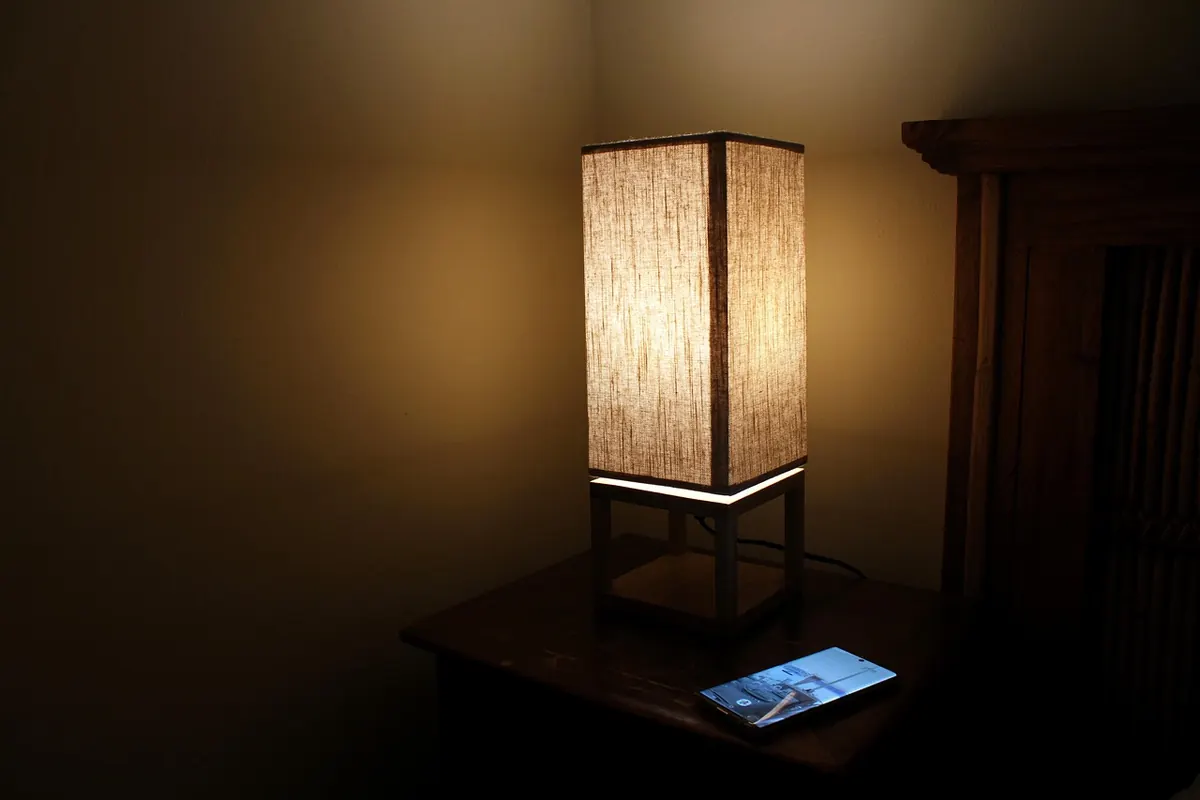
The practical fix is distance, not willpower. Charge the phone in another room and use a cheap alarm clock, or leave it face down across the room and stay where you are until the ritual is finished. If you're on call, or a family member might need you, check at the end and only the one app that matters.
You don't have to be rigid about this. The aim is to make the first thing you give your attention to something you chose.
Making It Stick
Attach the ritual to something you already do without fail: before you stand up, before the first cup of coffee, or right after you brush your teeth. Habits borrow strength from the routines around them.
On hard mornings, shrink it. Two minutes of breathing and one written priority still counts. A short version you actually do beats a full version you skip.
If you miss a day, start again the next morning. No penance, no restarting the count. Give it a week before you judge it, and adjust as you go — some people want more breathing time, others find gratitude works better at night.
Ten minutes. Breathe, notice what's good, name one thing. Then pick up the phone.
Photo: IqbalStock / Pixabay