September 22, 2026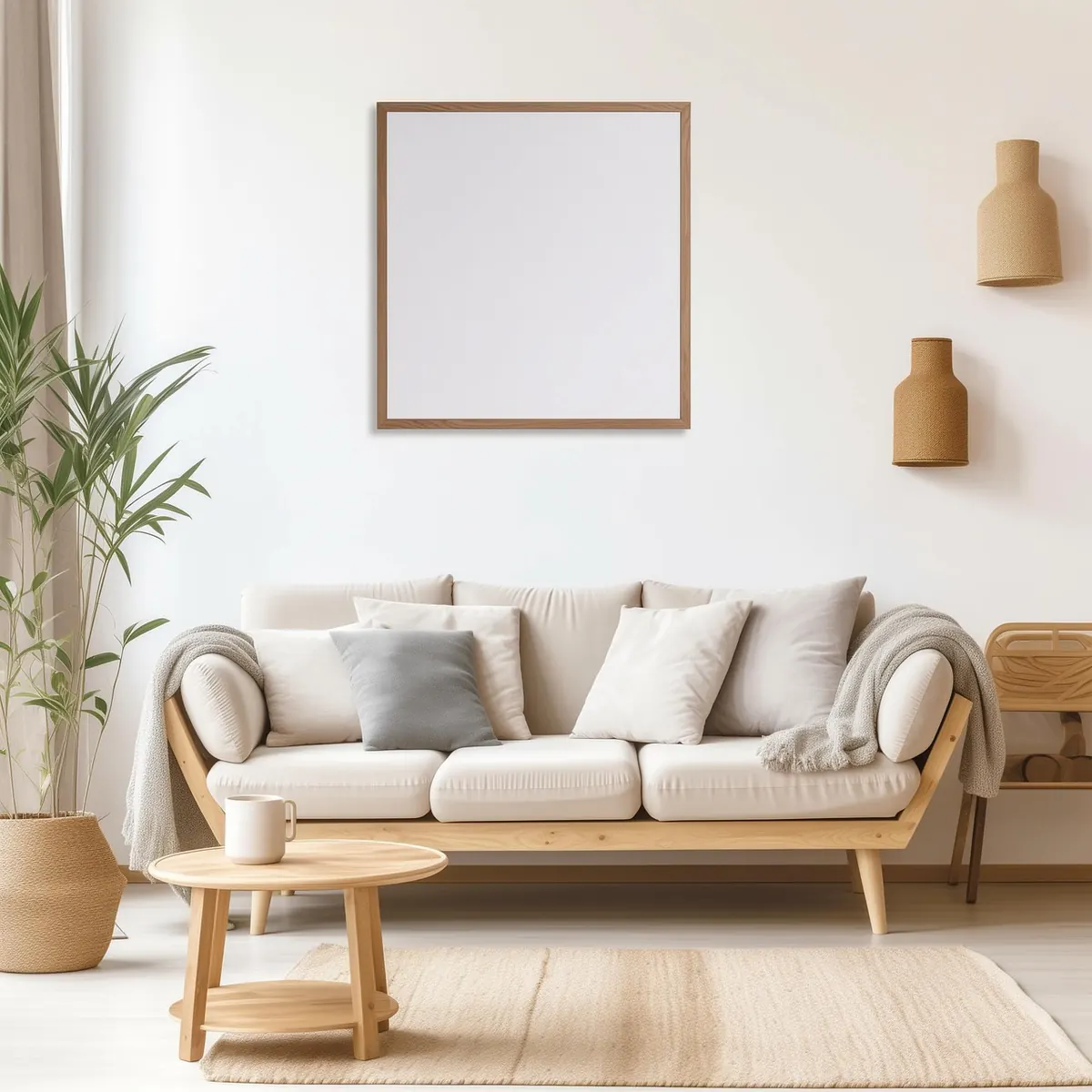
Minimalism and slow living often arrive in the same photograph: white walls, a linen apron, a wooden bowl of lemons. They are not the same practice. One asks how much you own; the other asks how fast you live. You can be a minimalist with a frantic calendar, or a slow-living person in a crowded house. Knowing which question you are actually answering makes it much easier to choose habits that change your days.
What Minimalism Actually Asks of You
Minimalism is a conversation about objects. Its central question is deceptively simple: does this thing earn the space it takes up? The work looks like clearing one drawer, cancelling three subscriptions you forgot about, keeping the knife you actually use and letting go of the four that never leave the block.
The payoff is practical rather than spiritual. Less to clean, less to search through, fewer decisions before coffee, often a smaller bill for storage and replacements. Contrary to the internet version, minimalism is not a number. The hundred-things challenge is one experiment, not a standard. A cook might keep a full pantry; a reader might keep six hundred books. The test is whether each item serves a purpose or gives real pleasure, and whether keeping it costs you attention you would rather spend elsewhere.
What Slow Living Actually Asks of You
Slow living is a conversation about pace, attention, and rhythm. The phrase borrows from the slow food movement, which pushed back against fast food by insisting that meals be grown, cooked, and eaten with care. Applied to ordinary life, it means single-tasking, cooking instead of reheating, taking the walk without headphones, protecting an evening with nothing scheduled in it.
It is not a rejection of technology or ambition. It is a rejection of the assumption that faster is always better. Slow living also has no required aesthetic. Someone in a cluttered flat with a record player and bread rising on Sunday is living slowly. Someone in a bare, beautiful apartment answering messages at midnight is not. The measure is not how your home looks from the doorway but how your hours feel from the inside.
Where the Two Overlap
There is a reason the two get bundled together. In daily practice, they share a lot of ground:
- Intention at the entrance. Both ask what you let in — into your home, your calendar, your inbox.
- Lower maintenance. Fewer possessions means less tidying. Fewer commitments means less juggling.
- Quality over quantity. One coat worn for a decade, one long dinner with two friends instead of four rushed coffees.
- Resistance to default consumerism. Both push back on the idea that more stuff and more busyness equal progress.
- Boundaries. Notifications off, a fourth obligation declined, a kitchen counter that stays clear.
- A private standard. The moment either one becomes a competition or a performance, it stops working.
The Differences That Actually Matter
Minimalism is about volume; slow living is about tempo
If your home feels heavy — surfaces covered, cupboards jammed, nothing findable — minimalism addresses the cause. If your days feel thin and blurry, if you cannot remember what you did on Tuesday, slow living addresses that. Different problems, different first moves.
Minimalism can be fast; slow living can be full
A minimalist can be an efficiency machine: optimised, streamlined, and quietly exhausted. A slow-living household can hold a great deal — inherited furniture, jars, children's paintings, a cat. Neither is a failure. Each is a trade you get to choose.
Minimalism shows results quickly; slow living takes longer
You can clear a closet in an afternoon and feel the change by dinner. Slowing down is a rhythm shift, and rhythm shifts are invisible for weeks. Unstructured time often feels uncomfortable before it feels good, especially if you are used to measuring days by output. Give it a month before you judge it.
How to Tell Which One You Need
Answer these honestly, without tidying up your answers:
- When you walk in at the end of the day, do you feel relief or a low-grade dread about the mess?
- Looking at your week, is the problem too much stuff or too little room for anything unscheduled?
- Do you spend more time managing possessions or managing your calendar?
- Given a free Saturday, would you rather empty a cupboard or sit still and read?
- Which would you notice first if it changed: your floor space and bank balance, or your sleep and mood?
Mostly stuff, mostly volume: start with minimalism. Mostly time, mostly pace: start with slow living. Many people need both, and most begin with the objects, because a clear shelf gives you something you can see.
Start Smaller Than You Think
Pick thirty days and one small practice. For a minimalism month: fifteen minutes a day on a single drawer or shelf, one-in-one-out for clothes, and a pause on buying anything that is not consumable. For a slow-living month: one protected hour each evening without screens, one meal a week cooked from scratch, one walk without headphones, and a rule that non-urgent messages can wait an hour.
Keep a few lines of notes as you go — what felt good, what felt like punishment, what you quietly resented. At the end of the month, ask which change you would fight to keep. That answer, not a philosophy, tells you which path fits.
One caution: if slowing down stirs up anxiety that feels unmanageable, or if changing your commitments affects people who depend on you, take it slowly and consider talking it through with a qualified professional. Sustainable change usually looks boring from the outside, which is rather the point.
Photo: ngocnghia1810 / Pixabay